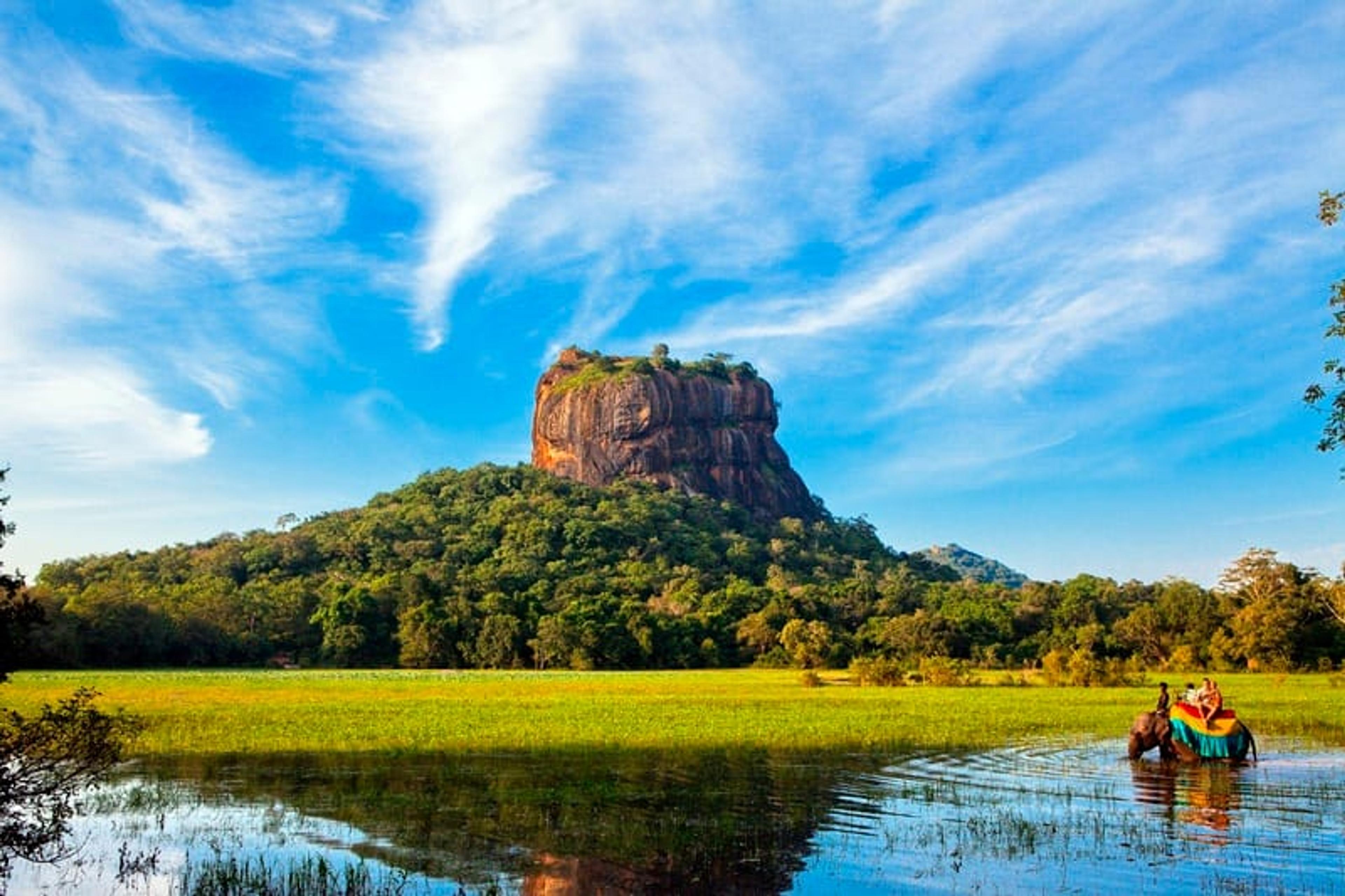
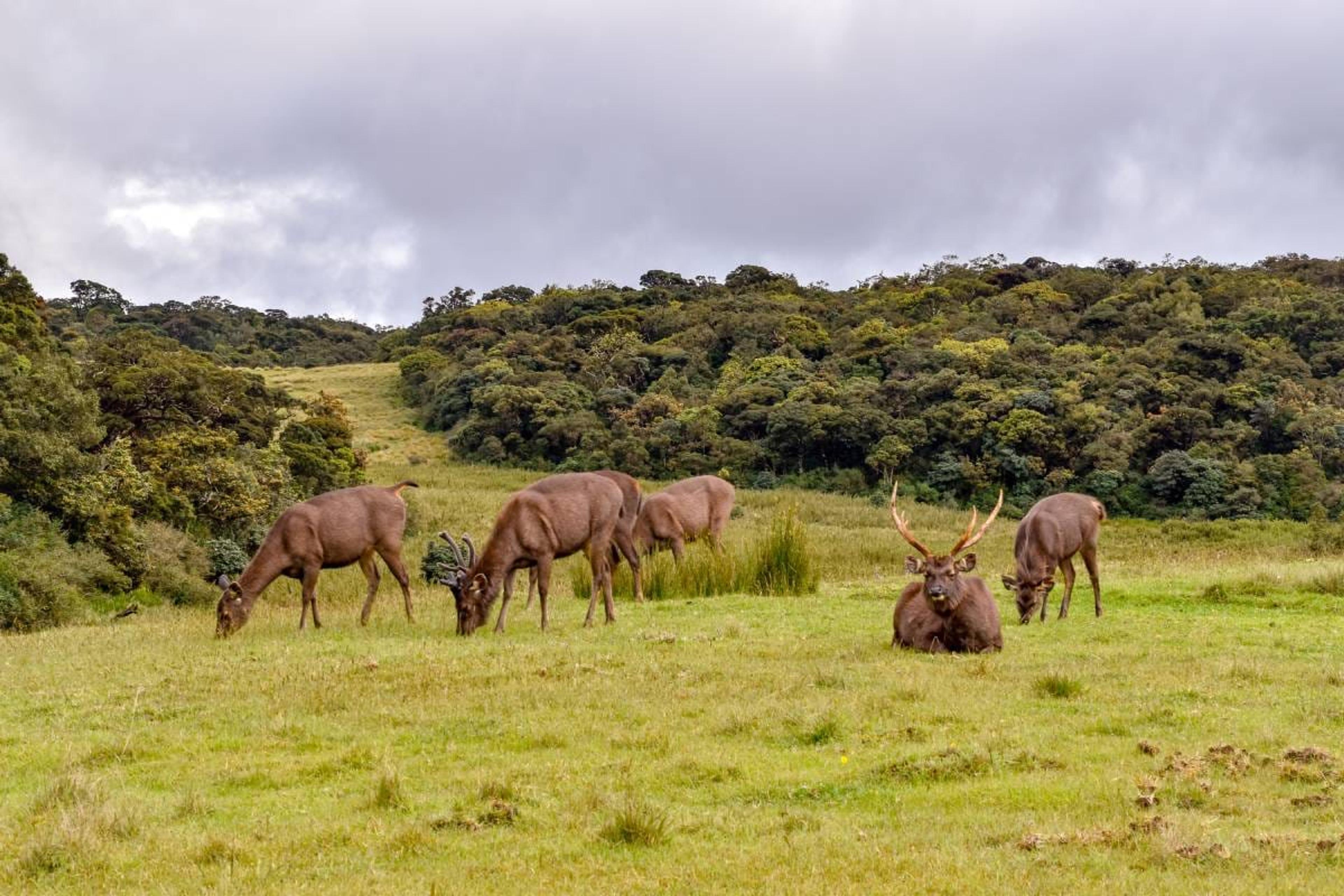
If you’re wondering where to see elephants in Sri Lanka without a zoo, you’re not alone. Many travellers today want wildlife experiences that feel authentic, ethical, and respectful. Thankfully, Sri Lanka offers the chance to watch elephants roam free; no cages, no performances, just the wild as it should be. While some visitors might still end up in zoos or unethical elephant camps, you don’t have to. There are better alternatives to see elephants in Sri Lanka.

You can explore national parks, private reserves, and even elephant rehabilitation centres. They all focus on ethical elephant experiences that honour both animal welfare and conservation efforts.
Why You Should Avoid Zoos and Tourist Traps
Many zoos across the world, including some in Sri Lanka, keep elephants in small enclosures. These places often prioritise entertainment over the well-being of animals. Captivity causes stress, health issues, and abnormal behaviour in elephants. Although some facilities claim to help conservation, they often fail to provide truly enriching environments. It’s not just limited to elephants, either. Zoos, no matter how well-intentioned, can adversely affect the animals.
So, if you want to experience something meaningful and responsible, focus on places where elephants roam in their natural habitats. Choosing to see elephants in Sri Lanka without a zoo also supports eco-tourism and helps fund wildlife protection.
Top Destinations for Ethical Elephant Encounters
You don’t even necessarily need to visit a certain destination to see elephants in Sri Lanka.
Imagine driving down a narrow country road in a rural part of Sri Lanka in the early morning or late afternoon. In the distance, you might see a giant grey blob against the greenery bordering the road. If you pass by a vehicle coming from that direction, they might even give you a friendly and/or warning toot.
As you approach the grey blob, it solidifies into a gentle giant, patiently waiting for you to approach. These rogue elephants once again prove the claim that elephants are among the most intelligent animals. They typically linger in a certain spot, where passing drivers often give them some bananas or other fruits. Some enterprising locals have even opened fruit stalls nearby so you can buy a bribe to give to these patient beings!
But, of course, it is better to never feed a wild animal, as heartbreaking as it is to deny them.
That said, national parks are still the best places to go if you’re wondering where to see elephants. Unlike the random encounters with one of two elephants elsewhere, a safari lets you see herds of elephants in their natural habitats.
Here are some of the best parks, conservation centres and reserves where you can see elephants.
Minneriya National Park
One of the most iconic places to see elephants in Sri Lanka without a zoo is Minneriya National Park. Known for “The Gathering,” this park sees hundreds of elephants congregate near the Minneriya Tank during the dry season from July to October. It’s one of the largest known gatherings of Asian elephants on Earth.
Watching these majestic animals socialise, bathe, and graze in the wild is unforgettable. Because the elephants are truly free, what you see feels both thrilling and respectful. Minneriya is a perfect example of wild elephant safari in Sri Lanka that doesn’t involve exploitation.
Udawalawe National Park
If you’re heading south, don’t skip Udawalawe. This park is arguably the best place to see elephants in Sri Lanka without a zoo year-round. Thanks to its open plains and large water bodies, elephants are easy to spot.
You’ll often come across entire herds: mothers with calves, teenage males playfully sparring, and lone tuskers wandering the bush. With fewer tourists than other parks, Udawalawe offers a peaceful, immersive experience. More importantly, it is deeply committed to protecting wildlife, making it a top choice for ethical elephant experiences in Sri Lanka.
Kaudulla National Park
Kaudulla is another gem in Sri Lanka’s cultural triangle. It’s linked to Minneriya by elephant corridors, which the animals use to move safely between parks. Visiting Kaudulla allows you to witness this natural migration.
The park is quieter and less commercialised than some of the more famous options, but that’s part of its charm. Because of this, you can still see elephants in Sri Lanka without a zoo in an environment that feels wild and unspoiled. You’ll also have a better chance of enjoying these moments without jostling for space with dozens of other jeeps.
Elephant Transit Home, Udawalawe
Just outside Udawalawe National Park, you’ll find the Elephant Transit Home. Run by the Sri Lanka Department of Wildlife Conservation, this centre takes in orphaned baby elephants and prepares them for release into the wild.
Unlike so-called sanctuaries that allow touching or riding, the Elephant Transit Home limits human interaction. You can observe the elephants during feeding times, but only from a safe distance. This is one of the most ethical ways to see elephants in Sri Lanka without a zoo and still support real conservation work.
Gal Oya National Park
Few people know about Gal Oya, and that’s what makes it special. Located on the east of the island, this park is home to a large population of wild elephants. What sets it apart is the unique boat safari across Senanayake Samudraya, Sri Lanka’s largest lake.
Here, you might spot elephants swimming between islands, a rare sight anywhere else. The park remains one of the most authentic places to enjoy a wild elephant safari in Sri Lanka, with minimal disruption to their natural lifestyle.
Tips for an Ethical Elephant Encounter
It’s not just about where you go; it’s also about how you behave. When you see elephants in Sri Lanka without a zoo, your actions matter. Here’s how to make your experience truly ethical:
- Don’t ride elephants: Riding causes physical harm and emotional distress.
- Avoid feeding or touching: Wild elephants must remain wild. Human contact can be dangerous for both sides.
- Use responsible tour operators: Choose companies with strong conservation ethics and local knowledge.
- Respect wildlife space: Always keep a safe distance. Use binoculars and cameras with zoom lenses to observe quietly.
By following these guidelines, you help ensure that future generations can also see elephants in Sri Lanka without a zoo and naturally enjoy these animals.
Frequently Asked Questions
Q: Where can I see elephants without going to a zoo in Sri Lanka?
You can visit national parks like Minneriya, Udawalawe, and Kaudulla, as well as private reserves such as Gal Oya and the Elephant Transit Home.
Q: What’s the most ethical way to see elephants in Sri Lanka?
Choose a wild elephant safari in Sri Lanka through certified eco-tour operators. Avoid touching, feeding, or riding elephants.
Q: Can I see wild elephants in Sri Lanka safely?
Yes, national parks offer safe and well-regulated ways to observe elephants in the wild without disturbing them.
Q: Which national parks are best for wild elephant safaris in Sri Lanka?
Minneriya, Udawalawe, Kaudulla, and Gal Oya are all excellent. Each offers different experiences based on location and season.
Q: Are there elephant sanctuaries in Sri Lanka with no riding or chains?
Yes. The Elephant Transit Home near Udawalawe is a fully ethical centre where human contact is kept to a minimum.